
Find People Through Dunwoody Records
A useful Dunwoody search begins by choosing the record that fits the known fact. Names work in deed and court indexes. Street addresses work best in DeKalb property and GIS tools. A business name can lead to a Georgia entity filing, while an old home address may lead to a reverse city directory at Decatur Library. Dunwoody incorporated in 2008, so city records are strongest for recent permits, planning cases, police reports, council activity, and Municipal Court matters. DeKalb County remains the keeper for deeds, most courts, probate, tax, elections, and much older files.
Use two independent facts before deciding that records concern the same person. A middle initial, co-owner, date range, parcel number, court role, or former address can separate people who share a name. Perimeter Center suite addresses often connect many unrelated firms and professionals, so an office address proves a dated link, not a home. Record each source date because names, ownership, and case status can change.
- Write down the full name, likely variants, date range, and any known address.
- Search the DeKalb owner roll when an address or parcel is known.
- Carry an owner name or deed book and page into the official real-estate index.
- Check DeKalb court parties and Dunwoody city files for a second match.
- Use the clerk, library, or archives when the web trail ends.
Dunwoody People Search Custodians
Three custodians form the core of a Dunwoody people search. The DeKalb Clerk of Superior Court records deeds, liens, plats, and assignments and also maintains Superior Court case files. County appraisal and tax systems tie current owner names and mailing addresses to parcels. The Dunwoody City Clerk coordinates requests for city-created files. The detailed access rules belong with Dunwoody public records, but the office split matters before any search begins.
Search Dunwoody Property Owners
The DeKalb tax and appraisal systems are the strongest address-to-name route. Search by parcel ID, street address, or owner name. A result can show the taxpayer, co-owner, mailing address, land-use class, tax district, zoning, acreage, exemption codes, building details, payment history, and links to maps or bills. The mailing address is not the property site, and it does not prove current residence.
The DeKalb property search shows the entry point used for Dunwoody parcels.
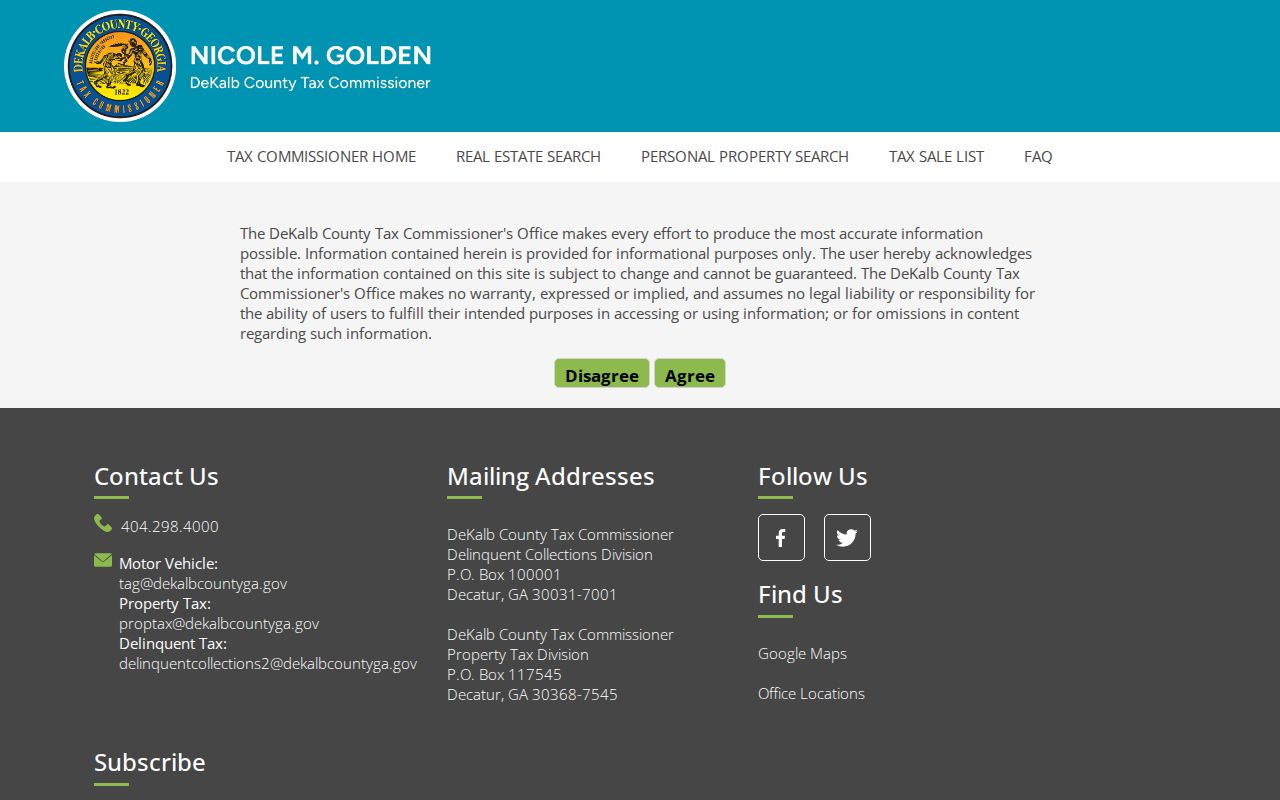
Carry the parcel ID and owner name forward, then compare the legal owner with the county map and recorded deed.
Do not equate mailing and residence. A tax notice may go to a manager, trust, company, or address outside Dunwoody.
Trace Dunwoody Deeds by Name
The GSCCCA Real Estate search is the official statewide index for DeKalb deeds, security deeds, liens, cancellations, assignments, and plats. Statewide indexing generally reaches 1993, but exact DeKalb image coverage must be confirmed with the clerk. Search both grantor and grantee roles. A grantor usually gives or encumbers an interest; a grantee receives one. Book and page or instrument number provide the cleanest link to the recorded document.
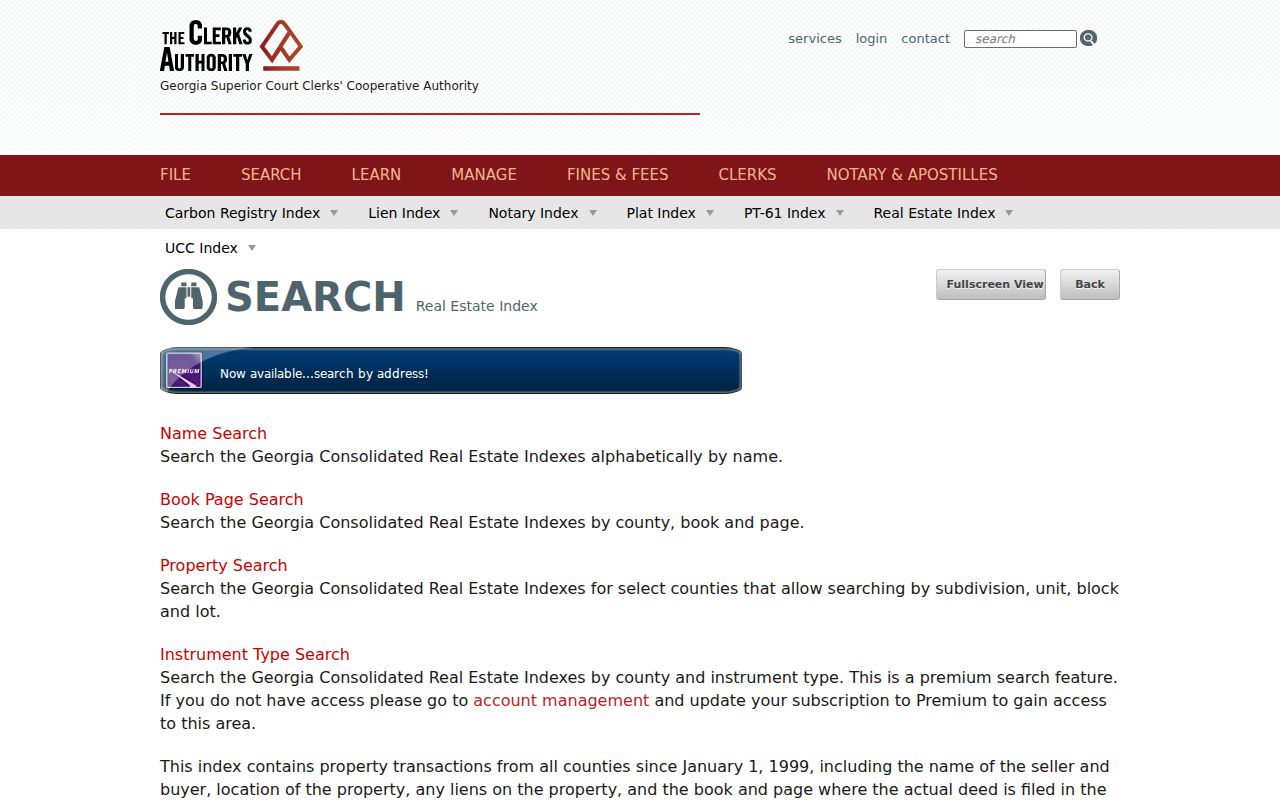
The screen supports name variants, instrument type, party role, and filing dates, which help narrow a common Dunwoody surname.
| Search control | Best use | Practical check |
|---|---|---|
| County and name | Find a party in DeKalb | Try surname-first forms |
| Grantor or grantee | Separate giving and receiving roles | Search both roles |
| Instrument type | Limit deeds, liens, or plats | Do not treat a lien as ownership |
| Book/page | Open a known filing | Use the clerk for certification |
Search Dunwoody Court Names
Dunwoody Municipal Court handles city ordinance and traffic matters. Ask its clerk by defendant name, citation or case number, and approximate date because no verified public municipal party portal was found. DeKalb Superior, State, Magistrate, and Probate courts handle broader county matters. The re:SearchGA court portal searches participating Georgia trial courts by person, business, case number, county, type, and filed-date range.
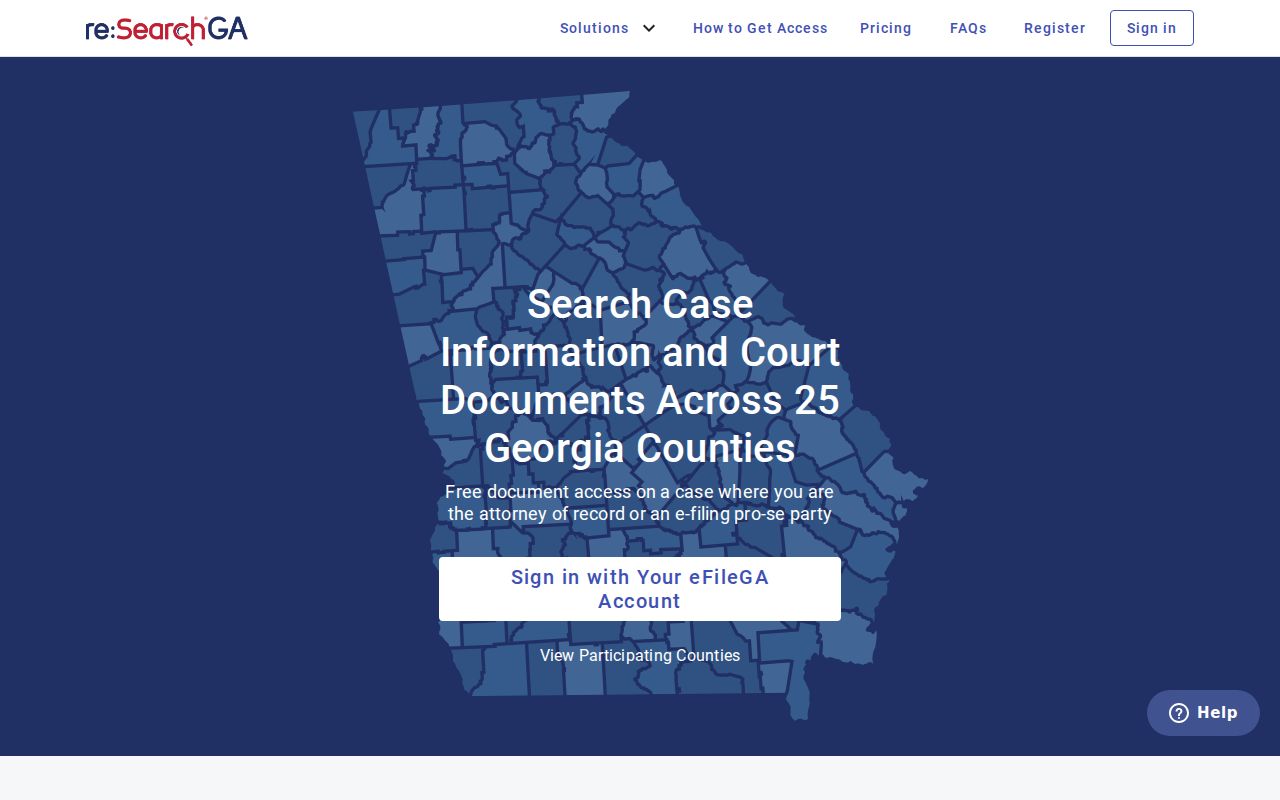
A result may identify parties, roles, attorneys, events, judge, status, and disposition. It is a docket lead, not a certified history. Coverage and images vary, while sealed, adoption, many juvenile, and protected records stay outside public view.
| Court route | Dunwoody matters | Access |
|---|---|---|
| Municipal Court | Traffic and ordinances | City clerk request |
| DeKalb trial courts | Civil, criminal, probate, domestic | re:SearchGA and clerks |
| Northern District of Georgia | Federal cases | PACER |
Route Dunwoody City Record Searches
City Hall is the right stop for records created by Dunwoody departments since incorporation. Council and board minutes can name applicants, speakers, or appointees. Planning, zoning, permit, code, business-license, police, and Municipal Court files may connect a person to an address or event. The City Clerk's JustFOIA form accepts a category, contact details, narrative, and attachments. A narrow date span, department, address, case number, and desired format can reduce delay and cost.
DeKalb provides its own department request contacts and procedure.
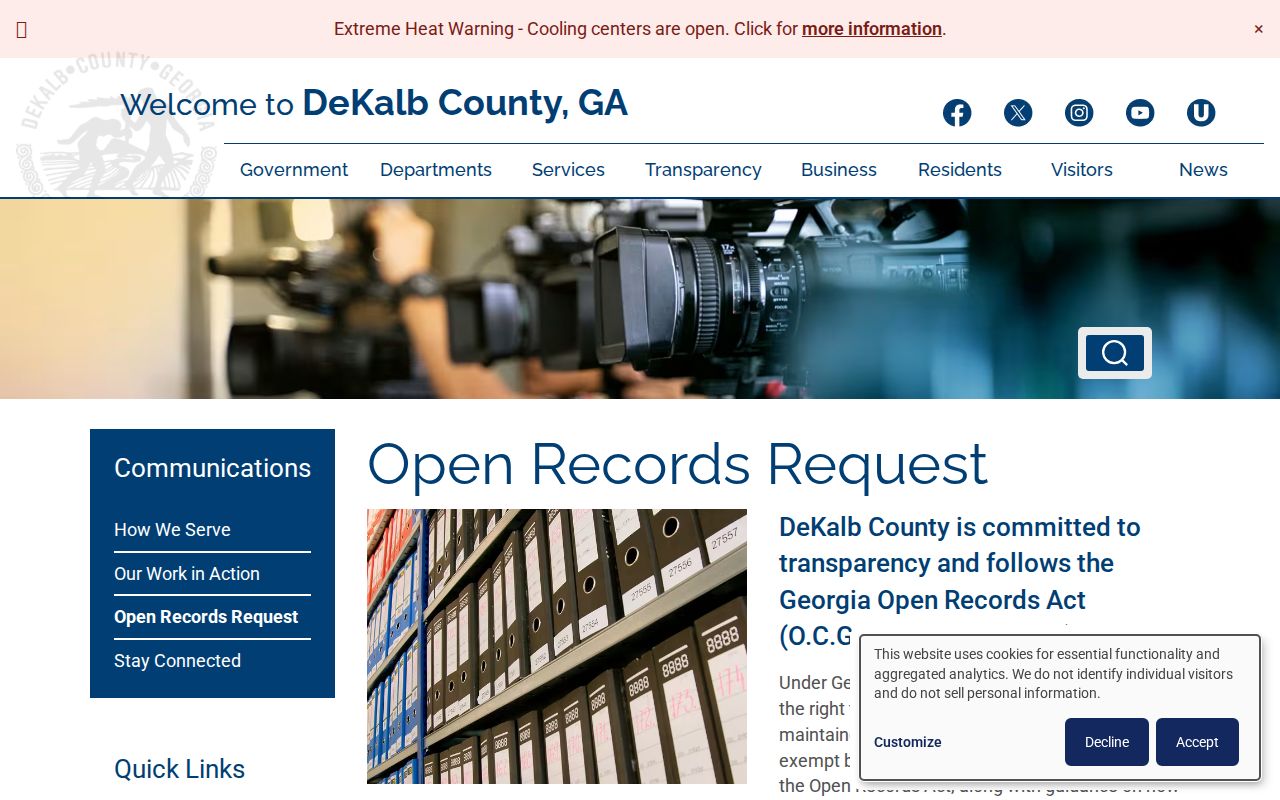
The county page helps send a request to the actual keeper rather than a general inbox. Georgia's three-business-day rule governs the response, not guaranteed final production.
Map a Dunwoody Parcel Trail
GIS confirms whether a postal Dunwoody address falls inside the legal city and shows its parcel context. This matters near Sandy Springs, Doraville, Chamblee, Brookhaven, and overlapping ZIP names. The DeKalb mapping and land-record page explains that GIS maintains parcel and ownership mapping, while deeds, plats, and surveys come from the Superior Court Clerk.
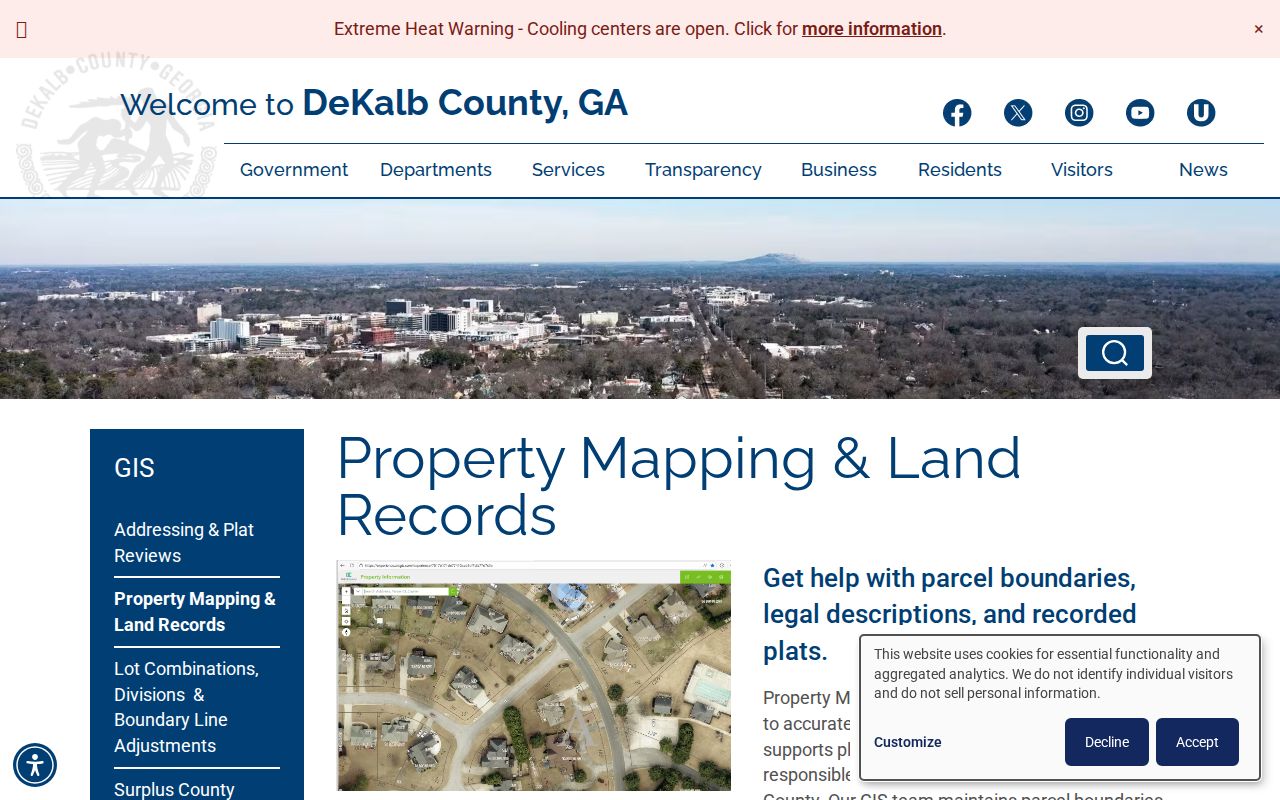
Use the map to confirm jurisdiction, then take its parcel or book-and-page reference to the custodian that can supply the record.
Note: A postal city name can cross municipal lines, so confirm the parcel before requesting a Dunwoody permit file.
Locate Dunwoody Vital Records
Birth and death certificates come through Georgia DPH or the local vital office and are restricted to qualified applicants under O.C.G.A. §§ 31-10-25 and 31-10-26. Marriage routing depends on date: DPH holds 1952 through 1996, while DeKalb Probate Court handles other years. Divorce decrees remain with Superior Court, though DPH may verify that an event occurred. A historical index does not create a right to a recent certified certificate.
The Georgia DPH fee page, updated March 11, 2026, lists a $25 base fee for birth or death and $10 for marriage, with separate additional-copy prices and prepayment rules.
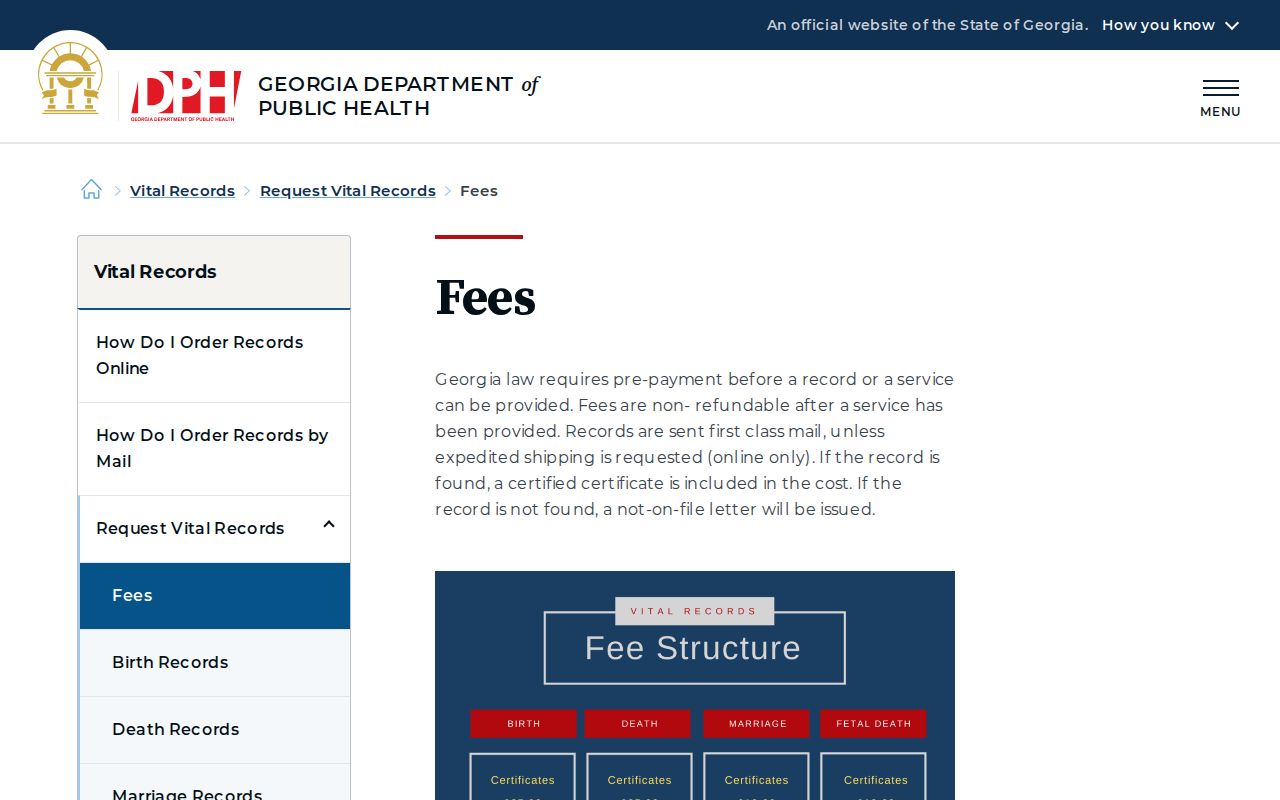
Mail, walk-in, and approved online channels exist. A not-found search yields a letter rather than a fee refund.
Find Dunwoody Residents Before 2008
Dunwoody existed as a community long before it became a city on December 1, 2008. Earlier residents may appear under Atlanta, Chamblee, Doraville, a rural route, or a militia district. Decatur Library's second-floor Reference Desk holds print and microfilm city directories dating to 1928, early newspapers, Georgia census films through 1920, vital indexes, and Decatur Cemetery records from 1837 through 1979. Ask whether a volume includes northern DeKalb and whether it has a reverse section that turns an address into an occupant name.
For a family history trail, start near a known year, compare surname and spouse entries, check the address section, and move year by year. Deeds, tax rolls, obituaries, school materials, church records, and cemetery evidence can confirm the identity. The 1890 census loss makes those substitutes especially useful.
Georgia Archives adds county microfilm and the Virtual Vault. One concrete DeKalb example is indexed Marriage Book F, which covers 1887 through 1893 across 246 image pages. Search its index, inspect the image, and record the volume and page. A marriage entry can supply a second surname and date that unlocks a directory, newspaper notice, probate file, or later deed. For material that is not digitized, contact the archive with the collection title, county, names, and date span. Ask about research-room access, scanning cost, and any restriction before traveling.
Follow a Dunwoody Estate Trail
Probate files and estate deeds are a strong lawful route for locating heirs or reconstructing a family. DeKalb Probate Court files can identify a decedent, personal representative, heirs, attorneys, filing date, and case number. A later deed may show a representative conveying property from the estate. Search the probate case first when a date of death is known, then compare names with recorded transfers, marriage records, obituaries, and tax ownership changes.
Online access varies. Ask the Probate Court clerk for the docket, named petitions, wills, or certified copies. Older bound books may require the counter, Georgia Archives microfilm, or a library catalog search. Addresses in a petition are dated evidence and should be checked against another source before making contact.
Search Dunwoody Voter Records Carefully
Georgia My Voter Page is an authenticated self-service lookup, not a public resident browser. A voter supplies first initial, last name, county, and date of birth. A successful match can return registration status, polling place, precinct, political districts, elected officials, sample ballot, and absentee or provisional ballot status. The result never shows how the person voted. Dunwoody residents use DeKalb County in the county field.
An ordered voter list is a separate product with its own fields, price, delivery process, and legal limits. Public list data may include a name and address, but Georgia excludes date of birth, Social Security number, driver's-license data, and telephone number. VoteSafe can shield the residence address of a qualifying victim. The complete distinction between personal lookup and the file is covered with the Dunwoody voter registration process.
Note: Inactive status is an administrative list-maintenance status, not proof that a registered person is barred from voting.
Check Dunwoody Custody Lookups
Two official custody systems cover different scopes. The DeKalb Sheriff's inmate lookup covers the county jail, while the Georgia Department of Corrections Find an Offender service searches state custody by name or an identification number. A booking record is not a conviction, and a past state record does not establish present custody. Match the subject with a middle name, age or date, identifier, and agency.
The Georgia Bureau of Investigation also publishes a Sex Offender Registry with statutory warnings. Use that registry for its defined public-safety purpose and follow its official instructions. Do not copy an address into an informal list or confront anyone. When an online tool fails, contact the agency that operates it and ask what identifiers, historical years, and release records are available.
Check Dunwoody Business Names
The Georgia Corporations Division can connect a business name with its control number, entity status, principal office, registered agent, and filing history. Search exact, starts-with, and contains variants, then open annual registrations to see dated changes. A registered agent accepts legal papers and need not own or run the company. An active status means the entity is compliant, not that a Dunwoody storefront is open.
Professional identity checks require the correct board. The Secretary of State verification portal covers many licensed fields, but lawyers, educators, real-estate licensees, and some regulated professions use their own official directories. Match license number, profession, city, dates, and status. Local occupational-tax and permit files can then connect the state identity with a Dunwoody site.
Know Where Dunwoody Search Stops
Official records are often free to search, use named custodians, and preserve filing context. Commercial search services may merge old addresses, relatives, and phone data without showing how a match was made. Neither route replaces a certified copy. For civic, genealogy, estate, reunion, or fraud-prevention research, keep the source URL, search date, record number, and office name so another person can reproduce the result.
| Source | Strength | Limit |
|---|---|---|
| Official index | Filed role and identifier | May omit images or older years |
| Custodian copy | Full or certified record | Fees and restrictions may apply |
| Commercial compilation | Broad lead gathering | Age, source, and accuracy may be unclear |
Dunwoody records may be used only for lawful personal research. Never use an address or identity record to stalk, harass, or harm someone.
Read Dunwoody Records in Context
A name in a record proves a role at a point in time. It may identify an owner, taxpayer, grantor, defendant, petitioner, applicant, officer, agent, or public employee. It does not automatically prove current residence, ownership, guilt, kinship, or control of a business. Court charges and outcomes are different fields. A parcel mailing address and its physical site are also different fields.
- Grantor
- A party who gives or encumbers an interest in recorded land.
- Grantee
- A party who receives an interest.
- Docket
- The dated list of events and filings in a court case.
- Situs address
- The physical location of a parcel, which may differ from the tax mailing address.
Use dates and identifiers to resolve the meaning. Save the record number and note whether a result came from an index or the full document. That discipline is vital in Dunwoody's Perimeter district, where one suite address may appear beside many unrelated names.
Neighborhood and road names can sharpen a match. Dunwoody Village, Georgetown, Winters Chapel, Kingsley, Tilly Mill, Vermack, and Perimeter Center point to different parts of the city, but ZIP codes alone do not settle jurisdiction. A 30338 address is closely tied to Dunwoody, 30346 centers on Perimeter, and 30360 overlaps other postal areas. Compare the street with county GIS and the tax district. If it falls beyond the boundary, switch the city-level custodian while keeping DeKalb's deed, court, and tax routes when the parcel remains in DeKalb County.